Open to Hope
Military Loss: The Ultimate Sacrifice with Chris Shank
Christopher Shank discusses grief, loss, and the experience of losing his brother, U.S. Army Cpl. Jeremy Shank.
Press
Some of this is press.
Some of it is me talking too much into a microphone.
Some is writing I published somewhere else.
A surprising amount of the older material begins with my brother, because for a long time that was the story people knew how to ask me about.
It is not the only story I know how to tell.
Most of what has been written about me circles one death in one small Missouri town. That is where the questions started. It is not where they stopped — the same questions turn up in horror, comedy, thrillers, fantasy, and science fiction. Work

Christopher Shank is a Georgia-based screenwriter and writer/director whose work explores memory, grief, identity, and the lives people build after losing the futures they expected. Raised in Southeast Missouri, he developed an early love of cinema and music through his family, whose influences ranged from classic Hollywood comedy and epic filmmaking to jazz, rock, and big-band music. After family responsibilities and personal losses altered his early plans to attend film school, he continued writing through an unconventional path into filmmaking. His screenplays span multiple genres but share an interest in emotionally complicated characters, impossible choices, and the enduring influence of the past.
Recorded evidence that I occasionally leave the desk.
Christopher Shank discusses grief, loss, and the experience of losing his brother, U.S. Army Cpl. Jeremy Shank.
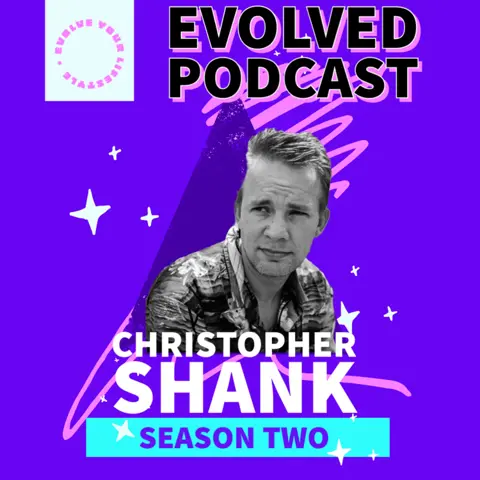
Christopher Shank joins Joe Fitzpatrick for a conversation about personal growth, creative work, and the process of continuing to evolve as an artist.
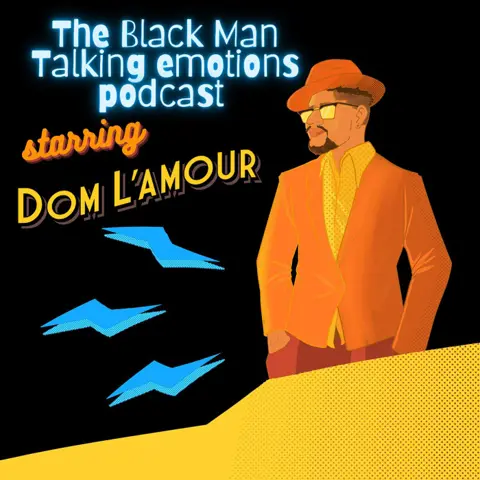
Christopher Shank talks with Dom L’Amour about grief, working with grief, and the ways loss continues to shape a person’s life.
Christopher Shank and Dom L’Amour discuss creative process, organization, personal development, and the practical rituals that help sustain creative work.
My byline. Somebody else’s website.
Tragedy Assistance Program for Survivors
Christopher Shank writes about grief, loss, and the experience of continuing to live after losing his brother, U.S. Army Cpl. Jeremy Shank.
No inflation. No creative accounting. If somebody called it a quarterfinalist, it says quarterfinalist.
The recognized scripts sit in the territory this page keeps circling — family, grief, marriage, service, small towns. The genre range is in the catalogue.
Official and published results are linked where available. Author-confirmed placements without public results are labeled. Every placement above also appears on its own project page. VIEW THE FULL RECORD AND SOURCES
This is where the personal history and the work overlap most directly.
THE RESERVIST began in the aftermath of my brother Jeremy’s death in Iraq.
The articles collected here document the real family and community history around that loss and the earliest version of the screenplay that came out of it.
The movie changed.
The history did not.
The Southeast Missourian profile of Shank and the early development of the screenplay. Featured in full at the top of this page.
Archived Southeast Missourian coverage surrounding the death of U.S. Army Cpl. Jeremy Shank and the events that eventually informed The Reservist.
The collection documents the loss of Cpl. Jeremy Shank and its aftermath in Jackson, Missouri. Not every article concerns Christopher directly.
Following the death of his younger brother, U.S. Army Cpl. Jeremy Shank, Christopher Shank wrote The Reservist, a screenplay inspired by grief, memory, and the community surrounding his family. The Southeast Missourian profiled Shank and the early development of the film.
Originally published by the Southeast Missourian. The link opens an archived copy hosted at IraqWarHeroes.org.
I am still tracking some of this down.
Older work. Interviews. Articles. Family history connected to the writing.
Nothing goes up because I vaguely remember it existing.
If I cannot find the source and verify what it actually says, it is not a credit.
It is a ghost.